Conviction of Filipino journalist ‘a new low’, says independent UN expert
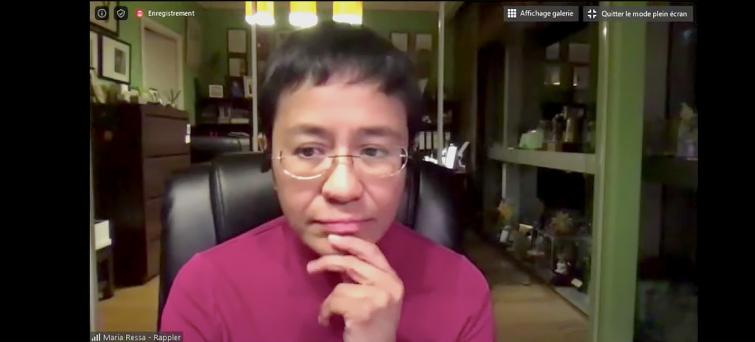
New York/IBNS: The conviction of prominent Filipino journalist Maria Ressa has been described by an independent UN expert as “a new low in the Philippines’ protection of the freedom of expression” and “the ability of an independent media to function in the country”.
Ressa, one of a group of journalists named as Time Magazine’s person of the year in 2018, was found guilty of “cyber-libel” on Monday, in relation to a story published on Rappler, the news website that she edits.
The story, which alleged links between a businessman and a senior judge, was written by Rappler journalist Reynaldo Santos, who was also convicted. Santos and Ressa now face prison time of up to six years.
‘Inconsistent with international law’
The expert, David Kaye, whose official title is UN Special Rapporteur on the right to freedom of opinion and expression, said in his statement that the higher courts in the Philippines have a responsibility to reverse the verdict against Ms. Ressa, and that “the law used to convict Ms. Ressa, and the journalist who authored the article which led to their prosecution, is plainly inconsistent with the Philippines’ obligations under international law”.
Kaye declared that the conviction of Ms. Ressa should be seen as a reflection of government attacks on both her, her journalism, and Rappler, that stretch back years, and called for reform of the country’s defamation laws, including the “Cybercrime Prevention Act which, he said, “fails to recognise this fundamental principle of contemporary human rights law”.
The expert warned that “any criminalisation of journalism, as took place here, serves only to defeat the ability of journalists to inform the public, to ensure open and rigorous public debate”.
Alarm at clampdown
Earlier this month, the UN human rights chief, Michelle Bachelet, warned that the Philippines, alongside several other Asian countries, has seen an alarming clampdown on freedom of expression during the COVID-19 crisis.
Bachelet appealed to authorities on 3 June, calling for action taken to stop the spread of false information, to adhere to the principles of legality, necessity, proportionality.
The High Commissioner detailed how people have been fined, arrested or attacked for allegedly spreading misinformation online about COVID-19, or for criticizing their Government’s response.
Support Our Journalism
We cannot do without you.. your contribution supports unbiased journalism
IBNS is not driven by any ism- not wokeism, not racism, not skewed secularism, not hyper right-wing or left liberal ideals, nor by any hardline religious beliefs or hyper nationalism. We want to serve you good old objective news, as they are. We do not judge or preach. We let people decide for themselves. We only try to present factual and well-sourced news.
Support objective journalism for a small contribution.