 Endemic
Endemic violence against women ‘cannot be stopped with a vaccine’ – WHO chief
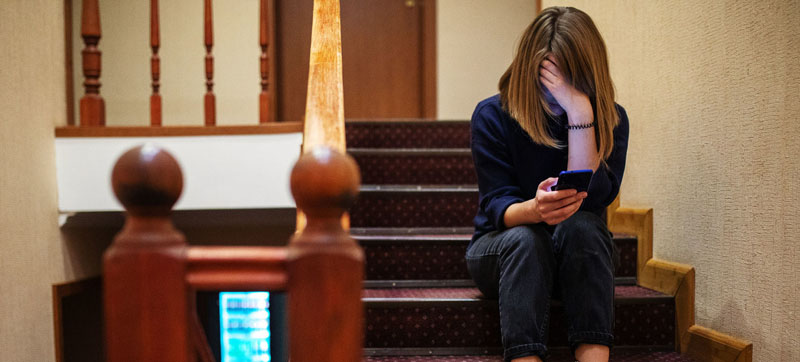
New York: Over the past decade, violence against women has been “endemic in every country and culture”, according to a new study released by the UN health agency on Tuesday.
Latest available data from the World Health Organization (WHO) and partners revealed that violence against women remains “devastatingly pervasive and starts alarmingly young”.
Some 736 million women – that translates to a third of all women – have been subjected to physical or sexual violence across their lifetimes.
“Violence against women is…causing harm to millions of women and their families and has been exacerbated by the COVID-19 pandemic”, said WHO chief, Tedros Adhanom Ghebreyesus. “But unlike COVID-19, violence against women cannot be stopped with a vaccine”.
Early start
Moreover, the violence starts early, with a quarter of 15 to 24-year-olds in a relationship having experienced violence by an intimate partner by the time they reach their mid-twenties.
“It’s deeply disturbing that this pervasive violence by men against women not only persists unchanged but is at its worst for young women aged 15-24 who may also be young mothers”, said UN Women chief Phumzile Mlambo-Ngcuka.
While intimate partner violence is the most prevalent, affecting around 641 million women globally, six percent of women report being sexually assaulted by someone other than their husband or partner.
And given the high levels of stigma and under-reporting of sexual abuse, the true figure is likely to be significantly higher.
“We can only fight it with deep-rooted and sustained efforts – by governments, communities and individuals – to change harmful attitudes, improve access to opportunities and services for women and girls, and foster healthy and mutually respectful relationships”, Tedros said.
COVID ‘shadow pandemic’
Based on data from 2000 to 2018, the report represents the largest-ever study on the prevalence of violence against women, which Ms. Mlambo-Ngcuka pointed out was rising even “before the pandemic stay-at home orders”.
WHO warned that COVID has further increased women’s exposure to violence because of measures such as lockdowns and disruptions to vital support services.
“We know that the multiple impacts of COVID-19 have triggered a ‘shadow pandemic’ of increased reported violence of all kinds against women and girls”, the head of UN Women said.
Though many countries have seen more intimate partner violence reported to helplines, police and other service providers during lockdowns, the report notes that the pandemic’s full impact will only be established with further data collection.
How to end violence at a national level:
Introduce gender transformative policies – from childcare to equal pay.
Bring in laws supporting gender equality.
Strengthen survivor-centred health systems.
Encourage educational interventions challenging discriminatory beliefs.
Target investments in evidence-based prevention strategies.
Strengthen survey and data collections on violence against women.
Improve measurements on forms of violence experienced by women.
“Every government should be taking strong, proactive steps to address this, and involving women in doing so”, Ms. Mlambo-Ngcuka underscored.
Breakdown by region
An estimated 37 per cent of women in the poorest countries have experienced physical and/or sexual intimate partner violence in their lives – with some countries as high as half, according to the study.
Broken down by region, the highest rates of intimate partner violence among women aged 15-49 are in Oceania, Southern Asia and Sub-Saharan Africa, ranging from 33 to 51 per cent.
At 16 to 23 per cent, Europe had the lowest rate, followed by Central Asia at 18 per cent, East Asia at 20 per cent and South East Asia at 21 per cent.
Repercussions
Long after it ends, violence can impact a woman’s health and well-being throughout her life, often associated with depression, anxiety, unplanned pregnancies and many other health problems, according to the study.
Preventing violence requires addressing systemic economic and social inequalities, ensuring access to education and safe work, changing discriminatory gender norms and institutions, reforming discriminatory laws and strengthening legal responses.
“To address violence against women, there’s an urgent need to reduce stigma around this issue, train health professionals to interview survivors with compassion, and dismantle the foundations of gender inequality”, said WHO’s Claudia Garcia-Moreno. “Interventions with adolescents and young people to foster gender equality and gender-equitable attitudes are also vital.”
Support Our Journalism
We cannot do without you.. your contribution supports unbiased journalism
IBNS is not driven by any ism- not wokeism, not racism, not skewed secularism, not hyper right-wing or left liberal ideals, nor by any hardline religious beliefs or hyper nationalism. We want to serve you good old objective news, as they are. We do not judge or preach. We let people decide for themselves. We only try to present factual and well-sourced news.
Support objective journalism for a small contribution.