


Global food prices fall for fifth year in a row, but economic uncertainties remain for 2017 – UN
According to a press release released on Thursday by the United Nations Food and Agriculture Organization (FAO), bumper harvests – or harvests that have been remarkably plentiful – as well as promising prospects for staple cereals, helped to offset pressure on tropical commodities like sugar and palm oil, whose production was adversely impacted by El Niño.
The FAO's Food Price Index measures the monthly change in international prices for five major food commodity groups: major cereals, vegetable oils, dairy, meat, and sugar. The 2016 average was 161.6 points.
Throughout 2016, cereal prices declined steadily – down 39 per cent from their 2011 peak. Meanwhile, sugar rose by 34.2 per cent and vegetable oil prices saw an 11.4 per cent increase.
According to Abdolreza Abbassian, an FAO senior economist, “economic uncertainties, including movements in exchange rates, are likely to influence food markets even more so this year.”
FAO reported that vegetable oil prices rose by 4.2 per cent from November, in part due to low global inventory levels and tight supplies for palm oil and in the case of soy oil, due to the rising use of biodiesels in North and South America. Higher prices for butter, cheese, and whole milk powder due to restraints in the European Union and Oceania drove dairy prices up by 3.3 per cent. Both sugar and meat indexes fell, the former due to a weakening Brazilian currency and the latter because of lower costs in bovine and poultry meats.
The Index was introduced in 1996 in order to help the public monitor global agricultural commodity markets. It gained prominence as an indicator of potential food security concerns for developing countries following significant price hikes in 2008.
Since then, with brief exceptions, agricultural commodity prices have remained relatively high. Further information about the index, including how it is calculated and updated, is available online.
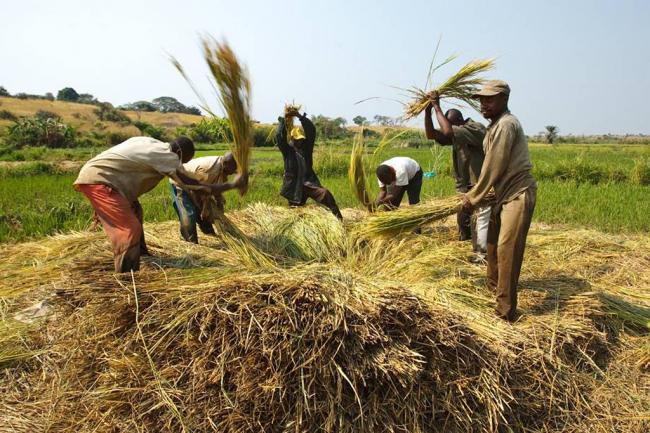
Photo: FAO/Olivier Asselin
Source: www.justearthnews.com
Support Our Journalism
We cannot do without you.. your contribution supports unbiased journalism
IBNS is not driven by any ism- not wokeism, not racism, not skewed secularism, not hyper right-wing or left liberal ideals, nor by any hardline religious beliefs or hyper nationalism. We want to serve you good old objective news, as they are. We do not judge or preach. We let people decide for themselves. We only try to present factual and well-sourced news.
Support objective journalism for a small contribution.


