International Day: Ban says biodiversity is essential to sustainable development
“Protecting ecosystems and ensuring access to ecosystem services by poor and vulnerable groups are essential to eradicating extreme poverty and hunger,” Ban said in hisremarks on the Day, marked around the world every year on 22 May, with the 2015 theme focusing on 'Biodiversity for Sustainable Development.'
“The sustainable development goals and the broader post-2015 development agenda, which are under negotiation now, will provide an opportunity to mainstream biodiversity and promote transformational change in how economies and societies use and regard biodiversity,” he added.
Later this year, the post-2015 development agenda will be adopted by the world's Governments at a high-level United Nations summit taking place during the opening of the substantive session of the General Assembly this coming September.
Ban said that reducing deforestation and land degradation and enhancing carbon stocks in forests, drylands, rangelands and croplands generate significant benefits and are cost-effective ways to mitigate climate change.
Hence, any sustainable development framework must provide conditions for the conservation and sustainable use of biodiversity for more equitable sharing of benefits.
The globally adopted Strategic Plan for Biodiversity 2011-2020 and its Aichi Biodiversity Targets provide a model that Member States can use in considering how to implement the post-2015 sustainable development agenda.
Meeting these targets and addressing biodiversity loss more generally can contribute significantly to the post-2015 development agenda.
Also speaking on the Day, Executive Secretary of the Convention on Biological Diversity (CBD), Braulio F. Souza Dias, said biodiversity serves as a critical foundation of the Earth's life support system on which the development and welfare of current and future generations depend.
“Biodiversity underpins all those ecosystem functions and benefits essential to human well-being, not only in terms of our economies, but also for our health, food security, prevention of natural hazards, and our cultural roots,” he added.
Souza Dias said that in the 21st century, conserving, restoring, enhancing and using the components of biodiversity sustainably can provide solutions to a range of challenges to sustainability and human well-being, including poverty eradication, food security, sustainable production and consumption, water security, disaster risk reduction and climate change.
Echoing the UN chief, Souza Dias said that reducing deforestation and ecosystem degradation, promoting ecosystem restoration and enhancing carbon stocks in forests, wetlands, drylands, rangelands and croplands are cost effective ways to mitigate climate change that generate other social and economic benefits.
“We will not be able to achieve sustainable development and the goals established in the post-2015 development agenda if we do not effectively respond to the objectives of the Strategic Plan for Biodiversity and fail to achieve the Aichi Biodiversity Targets,” he emphasised.
Likewise, we will not achieve these internationally agreed goals for protecting and restoring biodiversity and using it sustainably and equitably if we fail to mainstream biodiversity firmly into the broader policies for sustainable development and in the implementation of those policies.
“The time for global action is now, by Governments, businesses, civil society, indigenous peoples, and by individuals. We owe it to future generations to ensure that biodiversity will provide them with the same benefits that we enjoy. That is truly the future we want, a future of life in harmony with nature,” he added.
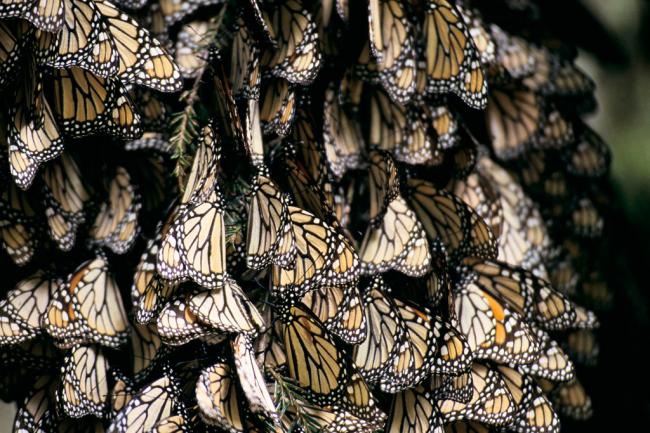
Photo: World Bank/Curt Carnemark
Support Our Journalism
We cannot do without you.. your contribution supports unbiased journalism
IBNS is not driven by any ism- not wokeism, not racism, not skewed secularism, not hyper right-wing or left liberal ideals, nor by any hardline religious beliefs or hyper nationalism. We want to serve you good old objective news, as they are. We do not judge or preach. We let people decide for themselves. We only try to present factual and well-sourced news.
Support objective journalism for a small contribution.