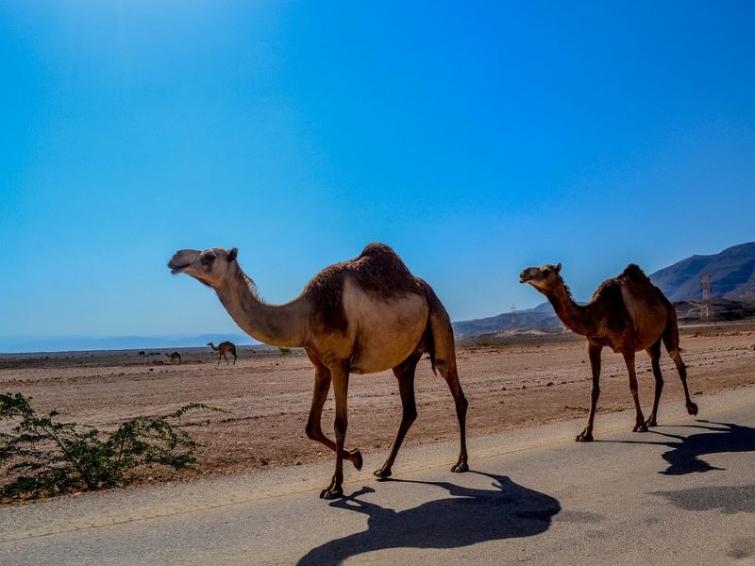
More than 5000 feral camels killed in drought-hit areas of southern Australia
Sydney/IBNS: Australia has completed the culling of more than 5,000 feral camels over the last five days that were threatening the survival of indigenous communities in drought-hit areas of southern Australia, reports said.
Aboriginal leaders have said "extremely large herds of the non-native camels" were driven towards rural habitats threatening scarce food and water in the arid region. The huge rush of feral camels also put in danger the infrastructure and posed a dangerous hazard for the drivers, a Bangkok Post report said.
The culling was done by helicopter-borne marksmen in Anangu Pitjantjatjara Yankunytjatjara (APY) Lands and completed on Sunday, said APY general manager Richard King, the report informed. APY is home to 2,300 indigenous people, it said.
"We appreciate the concerns of animal rights activists, but there is significant misinformation about the realities of life for non-native feral animals, in what is among the aridest and remote places on Earth," King said in a statement on Tuesday, added the report.
He said the camels have introduced pests and the valuable water supplies for communities needed to be protected from them.
Prolonged dry periods is distressful for feral camels but well tolerated by native wildlife, King said.
Around 20,000 Indian camels were imported to Australia in the 1840s by the British to explore the interiors of Australia, the report informed.
Support Our Journalism
We cannot do without you.. your contribution supports unbiased journalism
IBNS is not driven by any ism- not wokeism, not racism, not skewed secularism, not hyper right-wing or left liberal ideals, nor by any hardline religious beliefs or hyper nationalism. We want to serve you good old objective news, as they are. We do not judge or preach. We let people decide for themselves. We only try to present factual and well-sourced news.
Support objective journalism for a small contribution.