 Mozambique
Mozambique: 250,000 displaced children facing deadly disease threat
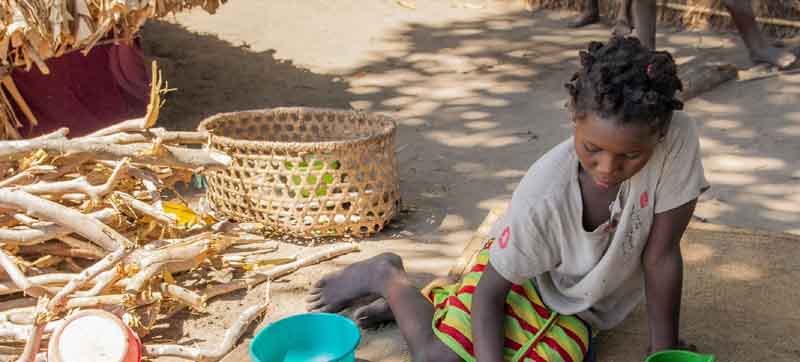
New York: A lack of safe water, sanitation and hygiene services have put approximately 250,000 children, displaced by escalating crises in a northern province of Mozambique, at risk from deadly diseases, the UN Children’s Fund (UNICEF) has warned.
“In less than two years, children and families in Cabo Delgado have faced a devastating cyclone, flooding, drought, socioeconomic hardship linked to the COVID-19 pandemic and conflict”, said UNICEF Executive Director Henrietta Fore, on Monday.
Weather-related disasters and conflict over the past two years have contributed to food insecurity and hunger across Cabo Delgado, where two out of every five children are chronically malnourished and severe acute malnutrition are being detected amongst the displaced population.
Making matters worse
As the rainy season sets in, services must be strengthened for overcrowded temporary accommodation centres and host communities to prevent the outbreak of water-borne diseases, like cholera and the further spread of COVID-19, according to UNICEF.
Health conditions like diarrhoea, which are easily prevented and treated, can be deadly for displaced children without access to safe water and adequate sanitation. This is especially true for children suffering from malnutrition.
“As conditions in the province deteriorate further – especially with the start of rainy season – water, sanitation and health care systems are under increasing strain”, explained the UNICEF chief.
UNICEF’s expanded assistance
In response, UNICEF is expanding its water and sanitation support as well as visiting communities and centers to screen children’s nutritional status and provide lifesaving treatment, including therapeutic food for severe cases.
Mobile teams are also providing regular healthcare to women, mothers and children, ensuring that key services, such as antenatal care and standard vaccination cycles, are observed.
“Humanitarian partners on the ground must shore up these services to protect the lives and wellbeing of the region’s children”, said Ms. Fore.
Traumatized children
UNICEF explained that displaced children who have lost contact with their families or been exposed to physical and psychological violence are especially vulnerable.
Many who have witnessed or experienced extreme brutality – or even lost close family members to vicious killings and abductions – need comprehensive protections, including psychosocial support after suffering such trauma.
UNICEF and its partners are running child-friendly spaces where displaced children can play in a safe environment while trained facilitators can identify those who need more specialized care.
More help needed
There is, however, an urgent need to expand the network of trained case workers to visit surviving children and their families at home to provide psychosocial support and protection and social service referrals.
For 2021, UNICEF is appealing for $52.8 million to respond to the most urgent humanitarian needs across Mozambique, including $30 million as part of the Humanitarian Response Plan for Cabo Delgado.
Support Our Journalism
We cannot do without you.. your contribution supports unbiased journalism
IBNS is not driven by any ism- not wokeism, not racism, not skewed secularism, not hyper right-wing or left liberal ideals, nor by any hardline religious beliefs or hyper nationalism. We want to serve you good old objective news, as they are. We do not judge or preach. We let people decide for themselves. We only try to present factual and well-sourced news.
Support objective journalism for a small contribution.