October 05, 2026 04:17 am (IST)

Follow us:


Nepal: UN concerned at amnesties for human rights abuses
New York, Apr 15 (IBNS): The United Nations High Commissioner for Human Rights on Monday voiced grave concern at a bill presented to the Nepalese Parliament which could lead to amnesties for serious human rights violations, saying it would weaken the foundation for a genuine peace in the country.
Under the bill, which is aimed at creating a truth and reconciliation commission and a commission on disappearances, these two bodies will be granted the powers to recommend amnesties, including for serious human rights violations, or to excuse perpetrators of such violations from prosecution.
“While I welcome steps taken by the Government of Nepal to take the transitional justice process forward, I am extremely concerned by its new attempt to introduce amnesties for serious human rights violations,” Navi Pillay said in a news release.
“Such amnesties not only violate core principles under international law but would also weaken the foundation for a genuine and lasting peace in Nepal,” she added.
The High Commissioner stressed that the people of Nepal have the right to know the truth about what happened during the decade-long, internal armed conflict which affected their country, through a genuine truth process.
“This process should be victim-centred, depoliticised and should respect the right to a remedy and accountability through criminal prosecution,” she stated.
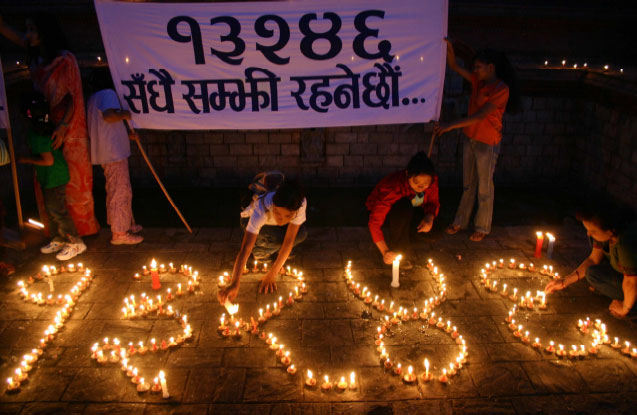
At least 13,000 people were killed during the 1996-2006 conflict in Nepal, with a further 1,300 still missing, according to the UN human rights office (OHCHR). To date, not a single person has faced criminal prosecution for serious human rights violations committed during the conflict.
The amnesty provisions in the bill, to be reviewed by Parliament this week, replicate those in the Ordinance passed in March 2013, but struck down by the Supreme Court of Nepal on 2 January as unconstitutional and in violation of international standards.
According to international law, amnesties are not permitted for gross human rights violations nor are other measures that block criminal investigation and prosecution for such violations or violate the right of victims to an effective remedy.
“I call on the Government to respect international law and to fully implement the decision of the Supreme Court, which clearly stated that commissions should not be used to prevent, replace or delay criminal investigations and prosecution for serious human rights violations,” said Pillay.
(Candles at a memorial event form the number 13,246, the official count of Nepalis killed as of May 2006. Photo: RP Humagai)
Support Our Journalism
We cannot do without you.. your contribution supports unbiased journalism
IBNS is not driven by any ism- not wokeism, not racism, not skewed secularism, not hyper right-wing or left liberal ideals, nor by any hardline religious beliefs or hyper nationalism. We want to serve you good old objective news, as they are. We do not judge or preach. We let people decide for themselves. We only try to present factual and well-sourced news.
Support objective journalism for a small contribution.

Latest Headlines