 School Children Nutrition
New initiative to improve nutrition standards for school meals
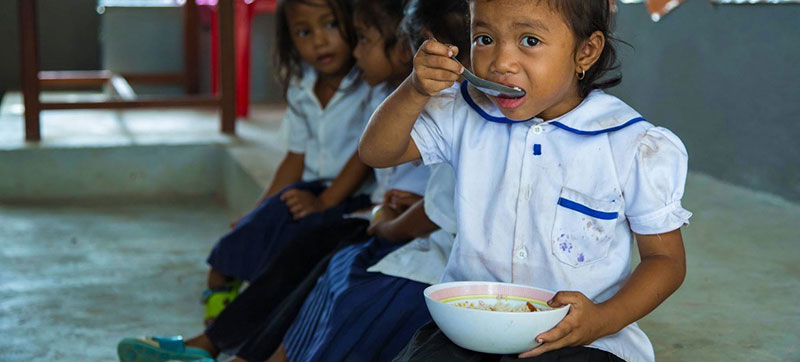
New York: A new project launched on Monday by two UN agencies aims to improve the diet of school-age children by supporting the development of nutrition standards for school meal programmes.
In many countries school meals represent a significant portion of children’s daily diets, the partners said, and it is vital that they directly contribute to nutrition needs.
“Through this comprehensive toolkit and technical support to improve school meals, the broader school food environments and procurement processes from local food systems, FAO aims to support governments and institutions in providing healthier school food to children and adolescents, therefore marking a step forward towards ensuring their Right to Food,” said Nancy Aburto, Deputy Director of the agency’s Food and Nutrition Division.
Guidance and strategies
The project, School food nutrition guidelines and standards for safeguarding children and adolescents’ right to food, is supported by the German Federal Ministry of Food and Agriculture (BMEL).
The partners will also produce guidance for schools to implement hands-on food education strategies, including on how to use school meal menus as learning materials in the classroom.
Other interventions will also be promoted, such as restricting the marketing of sugary beverages in school premises.
Furthermore, national bodies will be supported in efforts to integrate the new nutrition standards into legislation.
Far beyond food
Community ownership is another key part of the project, the UN agencies added, including through strengthening mechanisms where students and parents can report non-compliance with nutrition standards.
“We have a global consensus now around the need for school meals and its benefits to various sectors. School meals go far beyond the plate of food – they can impact education, nutrition, health, agriculture and food systems,” said Carmen Burbano, Director of the School-based Programmes Division at WFP.
“For these programmes to unfold their full potential we need to work on a next generation of school meal programmes – programmes that contribute to sustainable food systems and ensure that children receive healthy and nutritious meals.”
The methodology and guidance package will be piloted in Cambodia and Ghana. They will then be adjusted and finalized through regional and global workshops.
Support Our Journalism
We cannot do without you.. your contribution supports unbiased journalism
IBNS is not driven by any ism- not wokeism, not racism, not skewed secularism, not hyper right-wing or left liberal ideals, nor by any hardline religious beliefs or hyper nationalism. We want to serve you good old objective news, as they are. We do not judge or preach. We let people decide for themselves. We only try to present factual and well-sourced news.
Support objective journalism for a small contribution.