Revamped UN strategy aims to address root causes of Sahel crisis
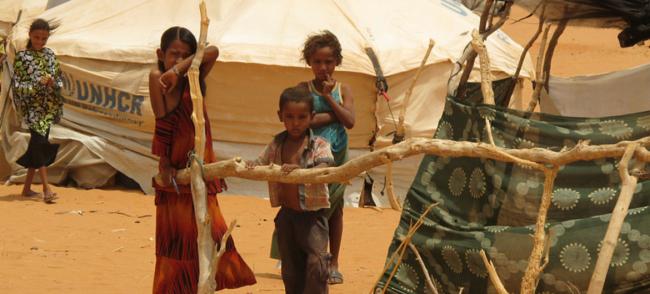
New York, Mar 29 (JEN):The United Nations has reset its action plan to address the root causes of the complex crisis in Africa’s Sahel, a region now home to one out of five people worldwide requiring humanitarian assistance, the UN deputy chief said Wednesday.
“The Sahel is a priority for the Secretary-General and the entire United Nations system,” Deputy Secretary-General Amina Mohammed told a conference being held in Nouakchott, Mauritania, to discuss strategies to tackle the Sahel crisis, which leaves 24 million people in need of humanitarian assistance this year.
A largely semi-arid region, the Sahel stretches from Senegal on Africa’s Atlantic coast, through parts of Mauritania, Mali, Burkina Faso, Niger, Nigeria, Chad and Sudan to Eritrea on the Red Sea coast.
It is plagued by the increasing threat posed by terrorism and violent extremism and its spread in surrounding countries and regions. This is compounded – or caused – by weak development progress in the Sahel and the impacts of climate change on food supplies, migration flows and conflict over land and resources.
“The complexity and multi-dimensional nature of these challenges attest to the necessity to respond collectively to the Sahel crisis, and in a more coherent, comprehensive and integrated manner,” Mohammed explained.
These challenges promoted changes to the UN Integrated Strategy for the Sahel to better meet the needs of the 10 countries in the region.
The Deputy Secretary-General said five key priorities on addressing the root causes of the crisis are: inclusive and equitable growth; public good services, including access to basic service, governance and rule of law; climate and energy; gender equality and women’s empowerment; and security, including preventing violent extremism, transnational crime and human trafficking. Empowering youth is an overall priority, she added.
WFP/Justin Smith
Support Our Journalism
We cannot do without you.. your contribution supports unbiased journalism
IBNS is not driven by any ism- not wokeism, not racism, not skewed secularism, not hyper right-wing or left liberal ideals, nor by any hardline religious beliefs or hyper nationalism. We want to serve you good old objective news, as they are. We do not judge or preach. We let people decide for themselves. We only try to present factual and well-sourced news.
Support objective journalism for a small contribution.