Shinzo Abe sends religious offering to Tokyo-based Yasukuni Shrine
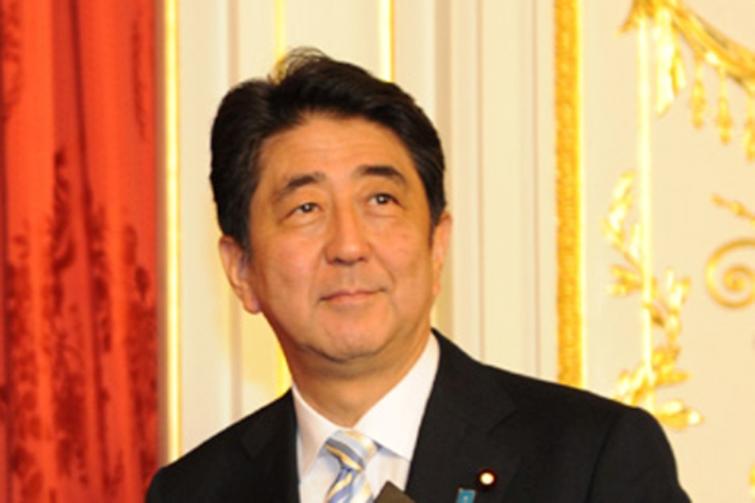
Japan, Apr 21 (Sputnik): Japanese Prime Minister Shinzo Abe sent on Sunday a religious offering to the Yasukuni Shrine in Tokyo, which is widely perceived in Asian countries as a symbol of Japan's militarism, local media reported, citing sources in the shrine.
Abe sent the offering on the occasion of the three-day spring festival, which starts on Sunday, the Kyodo News agency reported.
The offering consists of two pedestals with ribbons of five colors. The pedestals are decorated with a sprig of Cleyera japonica, an evergreen tree.
The pedestals also feature the three symbols of the emperor's power: a mirror, a sward and a comma-shaped bead called magatama.
Since taking office of the Japanese prime minister in 2012, Abe has visited the Yasukuni Shrine only once, in December 2013.
The visit sparked strong criticism in China and South Korea, also resulting in deterioration of ties with the United States.
Since then, Abe has been abstaining from visits to the shrine, while he sends religious offerings there three times a year: on the occasion of spring and fall religious festivals and on August 15, which marks the anniversary of Japan's surrender in World War II.
This year, some members of the Japanese cabinet, as well as the heads of both chambers of the country's parliament have sent their offerings to the shrine as well.
Japanese governmental officials' visits to the Yasukuni Shrine are traditionally seen by China and South Korea as a sign of revival of Japan's militarism and imperial ambitions.
Abe's abstention from the visit could also be linked to the upcoming G20 summit, which will be held in Osaka in late June, Kyodo News suggested.
The Yasukuni Shrine was founded in 1869 and it hosts commemorative plagues with names of 2.5 million soldiers and officers who died for the sake of "the emperor and the great Japan" in different wars, including over 1,000 convicted war criminals.
Support Our Journalism
We cannot do without you.. your contribution supports unbiased journalism
IBNS is not driven by any ism- not wokeism, not racism, not skewed secularism, not hyper right-wing or left liberal ideals, nor by any hardline religious beliefs or hyper nationalism. We want to serve you good old objective news, as they are. We do not judge or preach. We let people decide for themselves. We only try to present factual and well-sourced news.
Support objective journalism for a small contribution.