 Tunisia
Tunisia shipwreck: Forty migrants, including children, perish
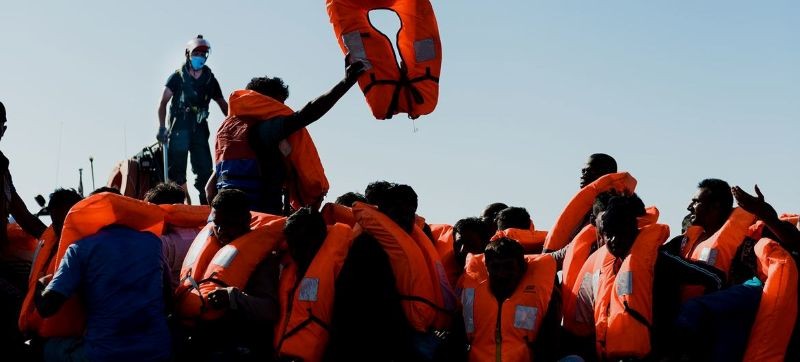
A shipwreck off Tunisia that claimed the lives of at least 40 African migrants has once again exposed the lethal risks of irregular sea crossings on routes to Europe, the UN migration agency said on Thursday.
The tragedy came amid concerns that worsening conditions for refugees and asylum-seekers in North Africa are pushing more families to embark on perilous journeys.
The boat, which had departed from the Tunisian village of Salakta, capsized shortly after setting off, killing nine women, 19 men and 12 children under the age of five, according to the UN International Organization for Migration (IOM).
An alert from a nearby fishing vessel led to the rescue of 30 people. Among the survivors were men, women and children from Cameroon, Côte d’Ivoire and Guinea.
“This is one of the deadliest maritime incidents recorded along the north African coast this year,” IOM said in a statement.
“It underscores the urgent need for coordinated action to prevent further loss of life along the Central Mediterranean route,” the agency added.
Rising death toll
According to IOM’s missing migrants project, nearly 1,000 deaths and disappearances have already been recorded along the main route this year.
Since 2014, more than 25,000 people have died attempting the crossing from North Africa to Europe, making it the world’s deadliest migration passage. The latest incident brings the total number missing in the wider Mediterranean region to over 32,800.
Children have been among the most affected. At least 30 have lost their lives off Tunisia’s coast this year alone, compared to 22 in all of 2024, IOM said.
Forced by conflict, crises
Tunisia has become an increasingly frequent departure point for people seeking to reach Italy, amid tighter controls and worsening insecurity in neighbouring Libya.
According to the Office of the UN High Commissioner for Refugees (UNHCR), Tunisia hosts over 10,600 registered refugees and asylum-seekers – 86 per cent of whom come from countries affected by war or widespread violence.
Many are survivors of torture or gender-based violence or are unaccompanied children. Access to essential services has become increasingly limited, heightening protection risks and prompting some to attempt the sea journey.
Ensure safe, regular pathways
The IOM reiterated its support for “protection-sensitive search and rescue operations” and called for the expansion of “safe and regular migration pathways.” It said countries along key migration routes must strengthen coordination and ensure that humanitarian principles guide their responses.
Since 2018, interceptions by Tunisian and Libyan coast guards have accounted for nearly half of all recorded search and rescue operations in the Central Mediterranean.
This shift can be attributed to several factors, including the decreased maritime patrol area of Italian authorities and the shift of EU border management assets from maritime vessels to drones incapable of conducting rescue at sea, warned IOM.
Support Our Journalism
We cannot do without you.. your contribution supports unbiased journalism
IBNS is not driven by any ism- not wokeism, not racism, not skewed secularism, not hyper right-wing or left liberal ideals, nor by any hardline religious beliefs or hyper nationalism. We want to serve you good old objective news, as they are. We do not judge or preach. We let people decide for themselves. We only try to present factual and well-sourced news.
Support objective journalism for a small contribution.