UN condemns Taliban ban on women attending medical classes in Afghanistan
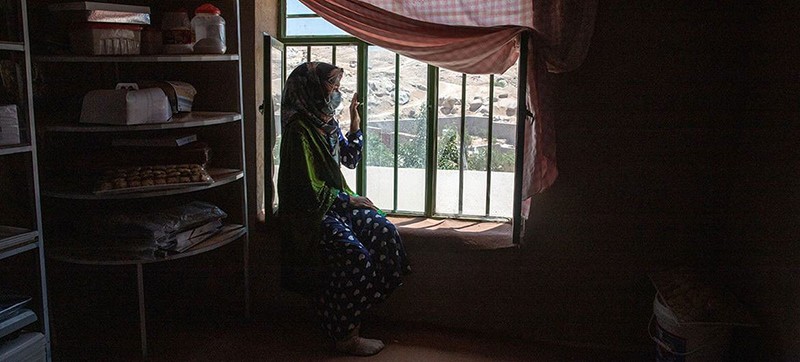
The UN human rights office, OHCHR, has condemned a new ban imposed by the Taliban in Afghanistan preventing women and girls from attending private medical institutions, warning that it will have devastating consequences for healthcare - especially the future availability of midwives and nurses.
OHCHR Spokesperson Ravina Shamdasani described the new directive, which reportedly took effect on Tuesday, as “yet another direct blow” by the de facto authorities against Afghan women and girls.
“It is profoundly discriminatory, short-sighted and puts the lives of women and girls at risk in multiple ways.”
Afghanistan already suffers from one of the highest maternal mortality rates in the world and there are deep concerns that that the ban would further erode women’s precarious access to healthcare.
It will also prevent a new generation of nurses and midwives from receiving training.
Under Taliban rules, male medical staff are prohibited from treating women unless accompanied by a male relative, making the presence of female healthcare workers critical.
Shamdasani noted that the new directive not only blocks the remaining path for Afghan women to pursue higher education but also undermines the country’s overall healthcare system.
Urging the de facto authorities to repeal the harmful directive, she stressed: “It is high time women and girls’ human rights are ensured, in line with Afghanistan’s international human rights obligations.”
Stunted development
The UN Assistance Mission in Afghanistan (UNAMA) also expressed deep concerns over the directive, stating that, it posed “further restrictions” on women and girls’ rights to education and access to healthcare.
“Ultimately, it will have a detrimental impact on Afghanistan’s healthcare system and on the country’s development,” the Mission said in a statement.
Inexplicable and unjustifiable
Richard Bennett, the UN Special Rapporteur – or independent expert – on the situation of human rights in Afghanistan, described the ban as “inexplicable and unjustifiable.”
“[It will] have devastating impact on entire population if implemented and must be reversed,” he said in a post on the social media platform X.
Support Our Journalism
We cannot do without you.. your contribution supports unbiased journalism
IBNS is not driven by any ism- not wokeism, not racism, not skewed secularism, not hyper right-wing or left liberal ideals, nor by any hardline religious beliefs or hyper nationalism. We want to serve you good old objective news, as they are. We do not judge or preach. We let people decide for themselves. We only try to present factual and well-sourced news.
Support objective journalism for a small contribution.