Delhi bomber built deadly IEDs using a campus ‘mobile lab’ in his suitcase: Investigators
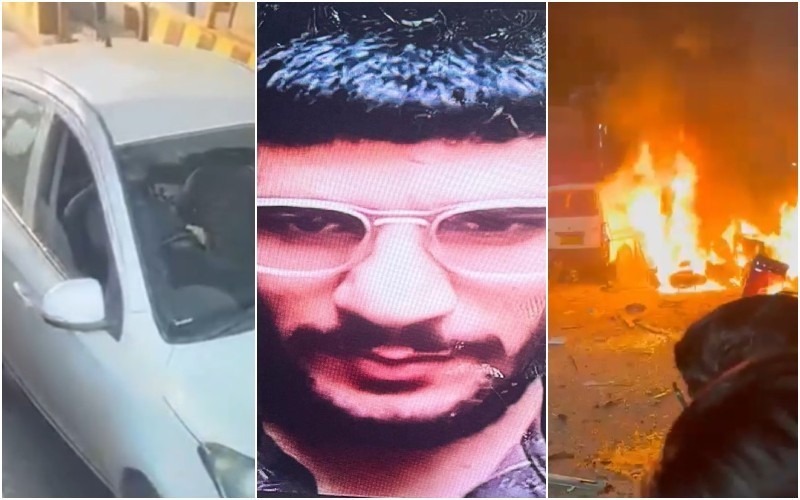
Investigators unraveling the Chandni Chowk car-bomb attack—an explosion that killed 15 people—have discovered a chilling tale behind the man at the center of it all: Umar Un Nabi, a soft-spoken doctor from Faridabad’s Al-Falah University, whose intellect and charm masked a deadly mission.
According to the arrested members of his terror module, Umar lived a double life. By day, he was an academic.
By night, he turned his modest campus room into a covert testing ground for explosive chemical reactions, NDTV reported.
His most dangerous possession was a massive suitcase—his secret “mobile workstation”—stuffed with chemical compounds, containers, and all the tools he needed to build bombs. He carried it wherever he went, hiding an entire laboratory within its walls.
Fellow doctor Muzamil Shakeel, the first to be recruited into the Jaish-e-Mohammed–linked module, told investigators how Umar’s charisma made him impossible to resist, according to NDTV.
Fluent in nine languages, steeped in research, and unwavering in conviction, Umar referred to himself as the “emir” of the group.
Shakeel described him as someone whose intelligence was so formidable that “he could have easily become a nuclear scientist.”
Evidence shows Umar assembled part of the IED inside a Hyundai i20, the same car he detonated in Delhi’s historic Chandni Chowk, reports said.
He mixed everyday materials like acetone from nail polish remover and powdered sugar, with the urea he sourced from the Nuh-Mewat region to create the explosive device.
The group had once planned to transport their hidden explosives to Jammu & Kashmir for a larger attack.
When that plan fell apart, Umar pushed ahead with the Delhi strike, fueled by ideology and an unwavering belief that he was serving a higher purpose.
Police later found half-completed explosives and chemicals in his room, perfectly matching the confessions of the captured suspects.
Piece by piece, the investigators constructed a harrowing portrait of a man whose brilliance, misdirected and radicalised, transformed a quiet university campus into the birthplace of a deadly plot.
Support Our Journalism
We cannot do without you.. your contribution supports unbiased journalism
IBNS is not driven by any ism- not wokeism, not racism, not skewed secularism, not hyper right-wing or left liberal ideals, nor by any hardline religious beliefs or hyper nationalism. We want to serve you good old objective news, as they are. We do not judge or preach. We let people decide for themselves. We only try to present factual and well-sourced news.
Support objective journalism for a small contribution.