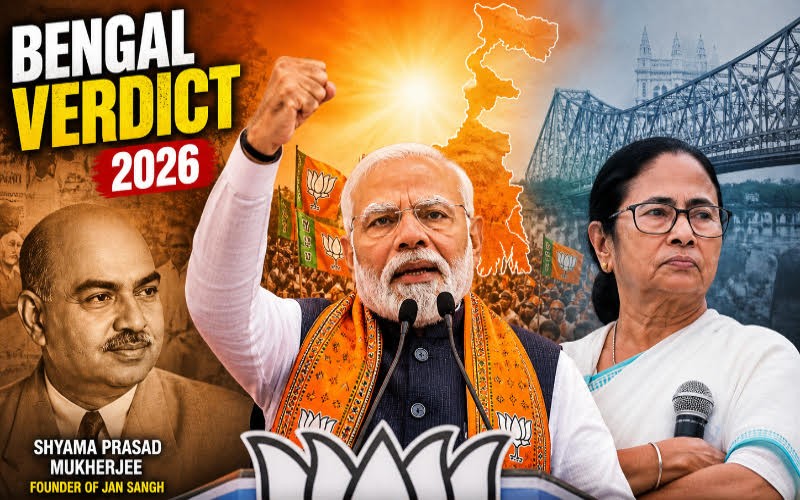
From Shyama Prasad Mukherjee to now: BJP’s historic Bengal breakthrough
Vote counting in West Bengal has revealed a dramatic electoral trend, with the Bharatiya Janata Party leading in nearly 200 seats in the 294-member Assembly, while the All India Trinamool Congress is trailing with leads in around 90 constituencies as counting progresses across districts.
The BJP has moved well beyond the majority mark of 148 seats in early and mid-round trends, indicating a potential first-ever formation of government in the state.
Counting centres across regions continue to report steady leads for the party, reflecting a broad-based electoral performance.
Bengal: A state rooted in Shyama Prasad Mukherjee’s political legacy
The current trends have brought renewed attention to the legacy of Shyama Prasad Mukherjee, a central figure in Bengal’s political history.
Born in Kolkata in 1901, Mukherjee emerged as one of the earliest architects of an alternative political vision in post-independence India.
He founded the Bharatiya Jana Sangh in 1951, laying the ideological foundation for what would later become the BJP.
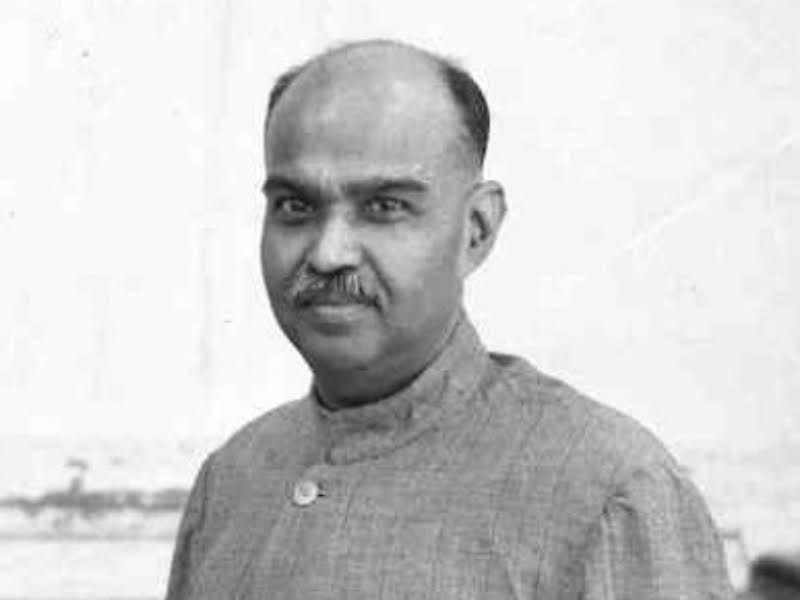 Jan Sangh founder Shyama Prasad Mukherjee. Photo: Wikimedia Commons/DD News
In 1952, he won the South Kolkata Lok Sabha seat, reinforcing his influence in the region.
Mukherjee’s emphasis on nationalism, governance, and organisational discipline shaped the early ideological framework that continues to influence the BJP’s political positioning.
Early Jan Sangh footprints in Bengal
The Bharatiya Jana Sangh made its electoral debut in the 1952 general elections, securing only three Lok Sabha seats nationwide.
Notably, two of those seats came from West Bengal, underlining the state’s early association with the movement.
The party also recorded a modest presence in Assembly elections, winning nine seats with a vote share of over 5 percent.
Leaders such as Durga Charan Banerjee, who won from Jhargram, demonstrated that the party had pockets of support even in rural Bengal.
However, the Jan Sangh’s growth remained limited. After Mukherjee’s death in 1953, the party struggled to maintain its organisational strength in the state, facing increasing competition from emerging political forces.
Leaders who sustained the movement
Several leaders contributed to sustaining the Jan Sangh and later BJP presence in Bengal during challenging decades.
Acharya Debaprasad Ghosh, who served as national president of the Jan Sangh from 1956 to 1965, strengthened the party’s organisational framework.
Haripada Bharti, known as an educator from Howrah, became the first BJP state president in 1980, focusing on grassroots expansion during the Left Front era.
Tapan Sikdar later carried the movement into the modern political phase, winning the Dum Dum Lok Sabha seat in 1998 and 1999 and serving as a Union minister.
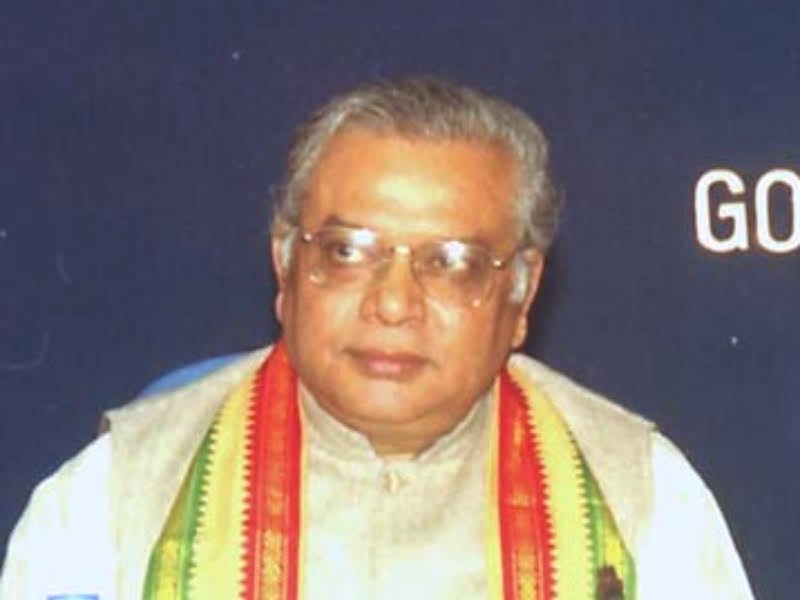 BJP leader Tapan Sikdar. Photo: Wikimedia Commons/PIB
Bijoy Kumar Mandal, representing earlier ideological traditions, also played a role in linking pre- and post-independence political currents within the state.
Bengal’s political landscape limits early growth
Despite its ideological roots in Bengal, the Jan Sangh struggled to expand in a political environment dominated first by the Congress and later by Left Front governments.
The rise of the Communist Party of India (Marxist) shaped a political culture centred on class mobilisation, trade unionism, and land reforms.
This environment limited the appeal of the Jan Sangh’s ideological framework. Even after the party transitioned into the BJP in 1980, electoral performance remained weak.
The BJP failed to win seats in the 1982 and 1987 Assembly elections, with vote shares hovering around 1 to 2 percent.
Electoral turning points and gradual rise
A shift began to emerge in the 1990s, as the BJP increased its vote share to over 10 percent in both Assembly and Lok Sabha elections.
Although it did not secure significant seats at the time, the party established itself as a noticeable political force.
The alliance with the Trinamool Congress in the late 1990s marked another turning point. The BJP won one Lok Sabha seat in 1998 and two in 1999, with vote shares rising to around 10 to 11 percent.
However, after the alliance weakened, the party’s performance dipped again in the 2000s, reflecting its continued struggle to establish a strong independent base in Bengal.
Post-2014 expansion and organisational growth
The BJP’s national victory in 2014 marked a significant shift in its approach to eastern India.
The party began systematically expanding its organisational network in Bengal, focusing on grassroots mobilisation and local leadership development.
The 2019 Lok Sabha elections marked a breakthrough moment, with the BJP emerging as the principal challenger to the Trinamool Congress in the state.
The party’s vote share increased significantly, signalling a shift in voter preferences.
Campaign strategies combined national-level leadership outreach with localised messaging, addressing regional issues while maintaining broader ideological themes.
Counting trends reflect long-term build-up
The ongoing counting trends reflect structural changes that have developed over several election cycles.
The BJP’s expansion across rural and urban constituencies indicates a broadening support base.
Meanwhile, the Trinamool Congress, led by Mamata Banerjee, continues to trail in current trends, marking a shift from its earlier dominant position in the state.
Analysts have also pointed to factors such as voter alignment changes, organisational strength, and electoral strategy as contributing to the current scenario.
A historic moment rooted in the past
As counting continues, the BJP’s lead beyond 190 seats places it on course for a potential milestone in West Bengal politics.
The scale of the lead reflects a transformation shaped by decades of political evolution.
The trajectory from the early days of the Bharatiya Jana Sangh to the present counting trends highlights a long political journey rooted in the legacy of Shyama Prasad Mukherjee.
Support Our Journalism
We cannot do without you.. your contribution supports unbiased journalism
IBNS is not driven by any ism- not wokeism, not racism, not skewed secularism, not hyper right-wing or left liberal ideals, nor by any hardline religious beliefs or hyper nationalism. We want to serve you good old objective news, as they are. We do not judge or preach. We let people decide for themselves. We only try to present factual and well-sourced news.
Support objective journalism for a small contribution.