 Insurance Scam
Everest scam uncovered! Guides accused of poisoning climbers for $20 million insurance payouts
High on the slopes of Mount Everest, where survival depends on trust as much as endurance, a troubling allegation has emerged that challenges the foundations of the trekking industry.
Authorities in Nepal have accused a network of individuals linked to the Everest expedition circuit of orchestrating a large-scale insurance fraud scheme that allegedly involved making climbers ill to justify costly evacuations.
Claims of deliberate illness to trigger rescues
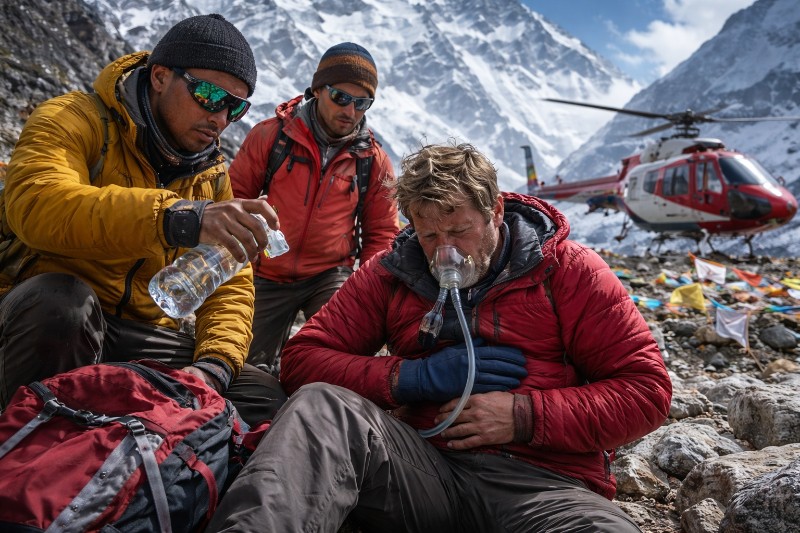
According to an investigation reported by the Kathmandu Post, sherpas working alongside trekking agencies allegedly tampered with tourists’ food by adding baking soda.
Investigators said the substance caused severe gastrointestinal distress, symptoms that could resemble altitude sickness or food poisoning.
Once climbers began experiencing illness, they were reportedly urged to opt for emergency helicopter evacuations. Officials stated that the operations were often unnecessary and driven by financial incentives rather than medical need.
Forged documents and inflated claims
Authorities allege that helicopter operators and associated firms used falsified medical records and flight documentation to claim reimbursements from international travel insurers.
The scheme reportedly generated nearly $19.69 million in fraudulent payouts.
Investigators identified multiple companies accused of inflating or fabricating rescue operations.
One firm allegedly falsified 171 out of 1,248 rescue claims, leading to over $10 million in payments.
Another reportedly fabricated 75 of 471 rescues, claiming around $8 million, while a third company is accused of submitting 71 false claims worth more than $1 million.
Wide network of accused individuals
Nepal police have charged 32 individuals in connection with the case, including trekking company owners, helicopter service providers and hospital executives.
Authorities stated that the proceeds were distributed among participants across the network, including those involved in arranging rescues and providing medical treatment.
The investigation began earlier this year with the arrest of executives from three mountain rescue firms.
Prosecutors are now seeking fines totalling $11.3 million, while officials confirmed that the case is being treated as a high-priority matter.
Tourism industry under scrutiny
The allegations have drawn attention to broader concerns within Nepal’s tourism sector, which supports more than one million jobs and remains a major contributor to the national economy.
Insurance providers have already responded to rising fraud risks, with several international firms reportedly withdrawing coverage for trekking expeditions in Nepal.
Previous reforms and ongoing challenges
In 2018, the Nepalese government introduced reforms aimed at tightening oversight of emergency evacuations.
The changes removed intermediaries and placed responsibility on tour operators to manage rescue operations and submit verified details to the Department of Tourism.
Despite these measures, officials indicated that enforcement gaps allowed the alleged scam to continue.
Manoj Kumar KC, head of Nepal’s organised crime unit, said weak punitive action contributed to the persistence of such practices.
“When there is no action against crime, it flourishes. The insurance scam too flourished as a result,” he stated.
Support Our Journalism
We cannot do without you.. your contribution supports unbiased journalism
IBNS is not driven by any ism- not wokeism, not racism, not skewed secularism, not hyper right-wing or left liberal ideals, nor by any hardline religious beliefs or hyper nationalism. We want to serve you good old objective news, as they are. We do not judge or preach. We let people decide for themselves. We only try to present factual and well-sourced news.
Support objective journalism for a small contribution.