Microtransit services a good option for hard-to-serve areas
According to the recommendations of the report the agency would look into the future prospects of launching a pilot project of an “on-demand ride-sharing service concept” as a potential complement to the public transit system.
The report further asserted that private “microtransit” companies would be able to connect the populations of low density and low demand areas - such as industrial employment areas with shift workers - more effectively than a large-scale public transit operator, particularly during off-peak hours. This option, said the reports would also expand transportation options for these low density areas.
“There are all sorts of bus routes around the city where we get very few riders, who need to get home after work. Could a ride-sharing platform provide a more efficient and cheaper model than our existing model?”, Minnan-Wong had reported to have said.
The ride-sharing services, was legalized by the city council in May, 2016 following a controversial debate and repulsion from the taxi industry, reports stated adding that the main advantage of this service was passengers’ safety from unsafe and walking long distances to and from a transit stop.
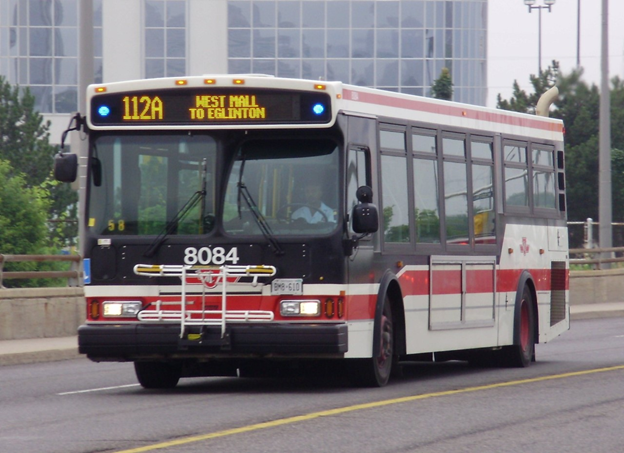
But the downsides of this mobility options in Toronto, the report noted was slowing down of Transport Commission Services (TTC) bus and streetcar routes, especially in downtown due to the increasing traffic congestion caused by wide-scale use of ride-sharing vehicles. Besides this, added the reports TTC would be drained off both of its revenue as well as riders in the event of 13 million fewer riders than last year that TTC accounted for.
Transit agency spokesman Brad Ross is reported to have said that it was “too early to say” whether services like Uber had negatively effected public transit ridership, adding “whatever we’re doing is complementary, certainly with public transit.”
(Reporting by Asha Bajaj)
Support Our Journalism
We cannot do without you.. your contribution supports unbiased journalism
IBNS is not driven by any ism- not wokeism, not racism, not skewed secularism, not hyper right-wing or left liberal ideals, nor by any hardline religious beliefs or hyper nationalism. We want to serve you good old objective news, as they are. We do not judge or preach. We let people decide for themselves. We only try to present factual and well-sourced news.
Support objective journalism for a small contribution.