


People of African descent must be included in climate change decisions: UN experts
“Implementation of the Paris climate change agreement and future climate talks should focus on the needs and views of those most at risk, including people of African descent, and not be based on market forces,” the Chairperson of the UN Working Group of Experts on People of African Descent, Mireille Fanon Mendes-France, said in a statement in Geneva.
Despite advances in tackling racism and racial discrimination, both direct and indirect, people of African descent are often among the poorest and most marginalized groups in society, often living in communities disproportionately affected for decades by environmental degradation such as air pollution and toxic waste.
“They are now bearing, and are set to further bear, a disproportionately high burden of the consequences of climate change,” Mendes-France added.
“Given this, discussions on climate change must be framed in the light of environmental inequalities and take into account people of African descent and Africans living in all regions of the world, many of whom remain trapped in structural and institutional invisibility.”
The International Decade for People of African Descent, which runs from 2015 to 2024, aims to highlight the contribution of people of African descent to societies, as well as strengthen national, regional and international cooperation in relation to the full enjoyment of economic, social, cultural, civil and political rights by people of African descent, yet these rights that are set to be affected to a greater or lesser degree by climate change, she noted.
“World leaders can make the Paris agreement process truly historic by ensuring that the participation of marginalized communities, including people of African descent, in efforts to deal with climate change is no longer overlooked or sidelined, but made central to the debate about the future of our common planet,” she concluded.
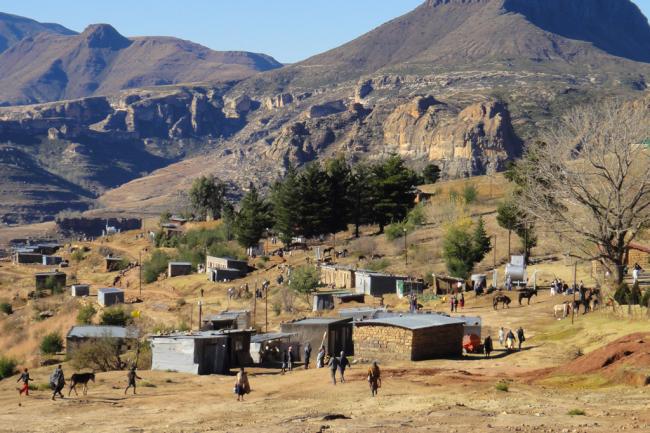
Photo: FAO/www.justearthnews.com
Support Our Journalism
We cannot do without you.. your contribution supports unbiased journalism
IBNS is not driven by any ism- not wokeism, not racism, not skewed secularism, not hyper right-wing or left liberal ideals, nor by any hardline religious beliefs or hyper nationalism. We want to serve you good old objective news, as they are. We do not judge or preach. We let people decide for themselves. We only try to present factual and well-sourced news.
Support objective journalism for a small contribution.


