Sanitation chain, wastewater treatment focus of World Toilet Day event at UN
New York, Nov 21(Just Earth News): Even in wealthier countries, where people have access to toilets and faecal material is contained, treatment and final disposal of wastewater can be far from perfect, leading to polluted rivers and coastlines, United Nations Deputy Secretary-General Amina Mohammed told a World Toilet Day event on on Monday.
“Where does our poo go? […] This year’s Toilet Day observance encourages people to think about the sanitation chain,” said Mohammed in her remarks at a panel discussion on toilets and wastewater, co-organized by the Permanent Mission of Singapore, UN-Water and the International Chamber of Commerce.
World Toilet Day is observed on 19 November, and events are held around that day to raise awareness of the importance of safe sanitation.
Mohammed said that nearly 900 million people worldwide practice open defecation – not because they want to but because they have no choice.
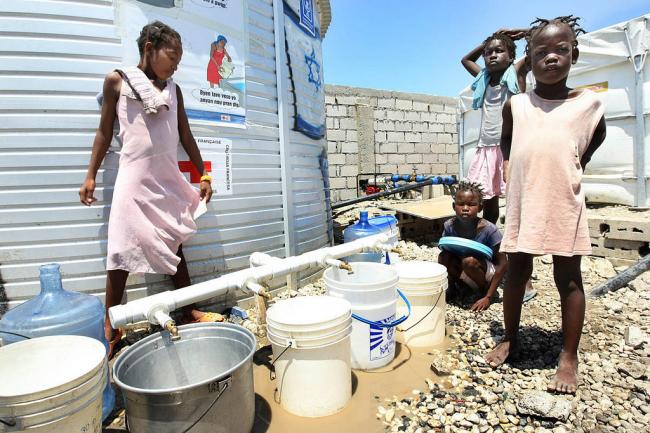
“Regardless where we are from, we all have the right to safe and dignified toilets,” she said, noting that she stressed this point during a recent dialogue with community members in Saint-Michele de L’Atalaye in Haiti.
The 2030 Agenda for Sustainable Development calls for ending open defecation and working towards universal access to safely managed sanitation services and safely treated wastewater, she continued.
The UN deputy chief also urged all to ask questions such as “Who is responsible for disposal?”, “What are people’s working conditions?” And “Where does menstrual hygiene waste go?
She noted that faeces contaminate the environment, spreading dangerous diseases and undermining progress in health and child survival. Disposable menstrual products often end up in solid waste or wastewater systems not designed to handle them.
Toilets can take many forSome systems provide treatment and safe disposal in situ, while others are connected to a sewer. Pit latrines and septic tanks need to be regularly emptied and the waste taken to a treatment facility.
Workers providing these services are “true sanitation heroes,” she said.
Wastewater and faecal sludge must also be treated and converted into products that can be safely used or returned to the environment, she stressed, highlighting the massive potential of treated wastewater as a source of energy, nutrients and water.
Photo: MINUSTAH
Source: www.justearthnews.com
Support Our Journalism
We cannot do without you.. your contribution supports unbiased journalism
IBNS is not driven by any ism- not wokeism, not racism, not skewed secularism, not hyper right-wing or left liberal ideals, nor by any hardline religious beliefs or hyper nationalism. We want to serve you good old objective news, as they are. We do not judge or preach. We let people decide for themselves. We only try to present factual and well-sourced news.
Support objective journalism for a small contribution.