IIT Kharagpur study finds post- Harappan climate change Induced human migration in Thar desert
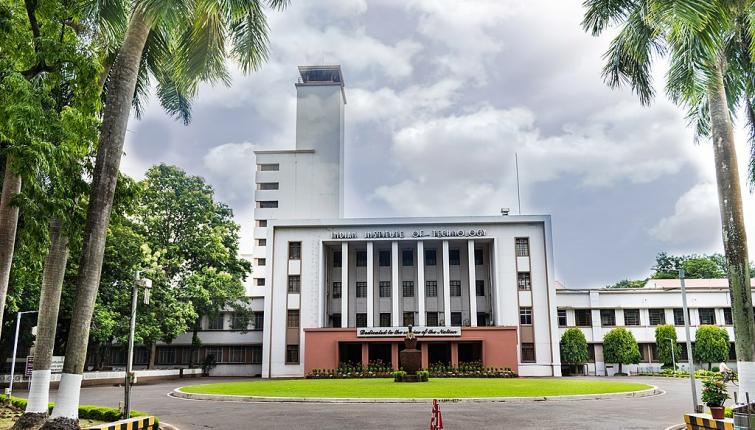
Kolkata/UNI: Researchers from IIT Kharagpur have made a breakthrough discovery of tracing 3000 years old Iron Age remains, the earliest to be found in the presently arid Rann of Kutch and the Thar Desert.
A period considered to be archaeologically silent due to lack of evidence and was called ‘Dark Age”, has now been found to be locales of human habitation after the decline of the Indus Valley Civilization due to climate change and water deprivation.
In the Kutch region, the Harappan remains were found only on rocky islands. The Rann and the Thar till now were devoid of any sign of continued human settlement. “Explorations in the coastal settlement of Karim Shahi region of the Rann south of the desert, unearthed pottery and charcoal which when dated using optically stimulated luminescence and radiocarbon methods revealed active human habitation from Early Iron Age to Early Historic (3100–2300 years) time. Evidence of Historic to Medieval (~1500–900 years old) settlement is also been discovered at Vigakot in the Thar Desert”.
Apart from artefacts like pitcher, jars and bull figurines, numerous animal remains like bones, teeth etc. have also been recovered which helped in reconstructing social subsistence pattern.
The study also involved analysis of sediments, pollen and oxygen isotopes in fossil molluscan shells indicating the presence of active river system and some rainfall that probably sustained human habitation from the Early Iron Age to medieval times.
The explorations were facilitated by the Indian Army as the areas due to their proximity to the Indo-Pak border are restricted.
The researchers also referred to the historical travelogue of Al Beruni of 1030 AD which mentioned the presence of rivers in Kutch.
Support Our Journalism
We cannot do without you.. your contribution supports unbiased journalism
IBNS is not driven by any ism- not wokeism, not racism, not skewed secularism, not hyper right-wing or left liberal ideals, nor by any hardline religious beliefs or hyper nationalism. We want to serve you good old objective news, as they are. We do not judge or preach. We let people decide for themselves. We only try to present factual and well-sourced news.
Support objective journalism for a small contribution.